
By the morning we had moved 70 nautical miles to Astove, the easternmost atoll of the Aldabra group. Approximately 3.7 by 2.5 miles, it is an unusual, raised coral island with a single stretch of land, almost a mile at the widest part, enclosing a shallow lagoon. We did not land on the island but had a wonderful couple of hours snorkelling from the zodiacs about 100 yards off the coast, where there was the most incredible coral wall to swim along. There were millions of fish, many I hadn’t seen before, and some incredibly beautiful coral. Some had sadly been bleached, but much had recovered to wonderful vibrant colours. There were turtles and sharks and it was a heavenly couple of hours. We returned to the ship, mid-morning and over lunch, sailed a further 19 nautical miles to Astove’s twin island, the rarely visited, Cosmoledo.
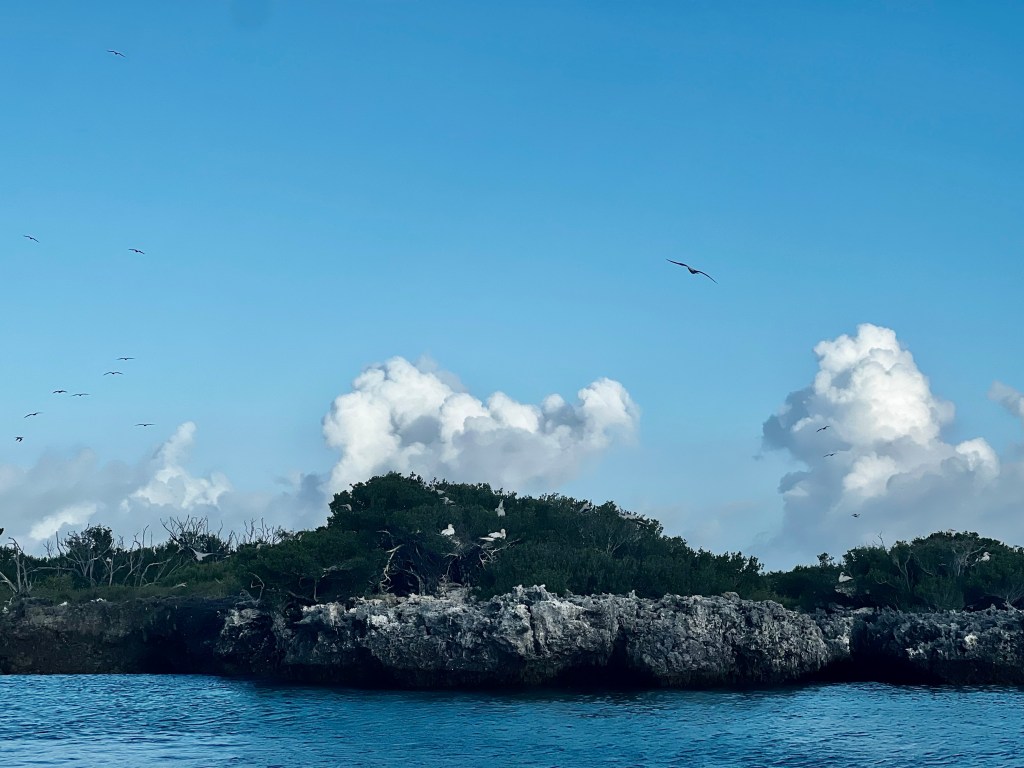
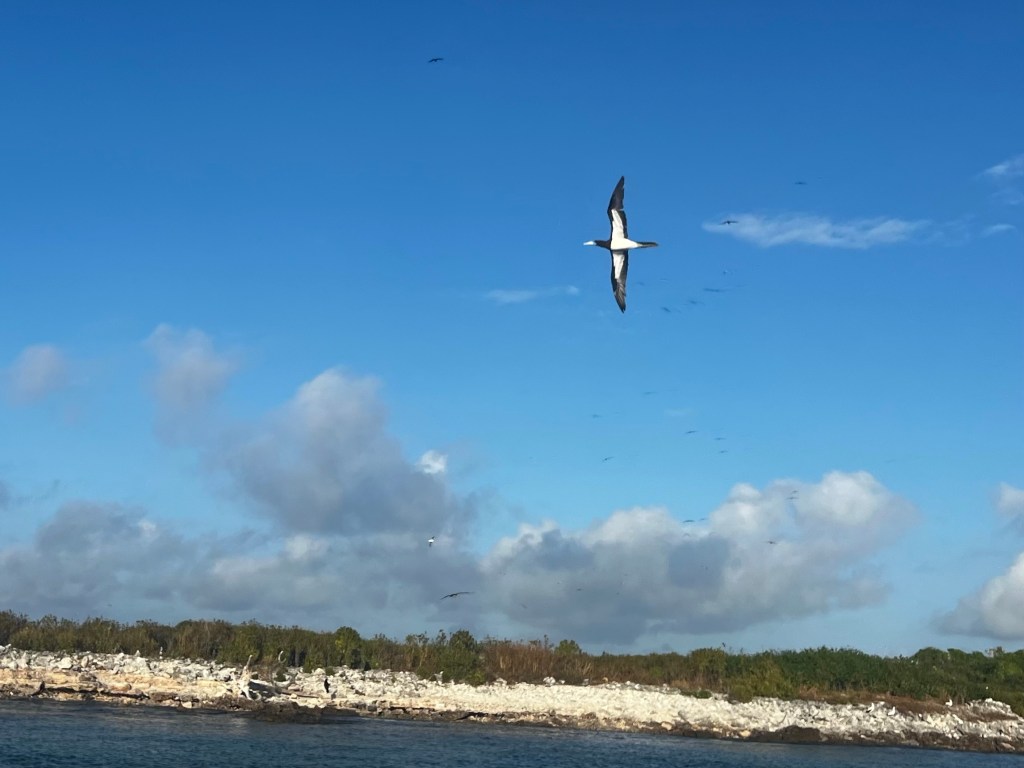
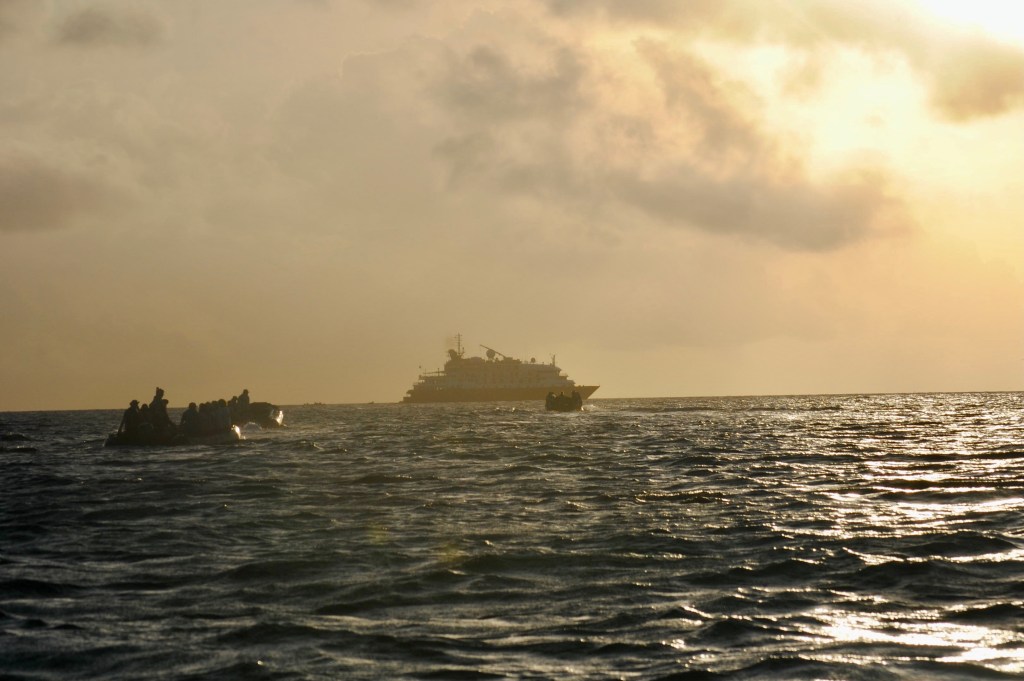
Once again, the expedition team went on a recce, across the somewhat choppy waters and discovered that it was too rough for us to land where we had hoped. Luckily however there were two Seychellois in the team who guided us to a different entry point. By this time, it was early evening and we were heading towards the island, just as the birds were returning to land after their days fishing.
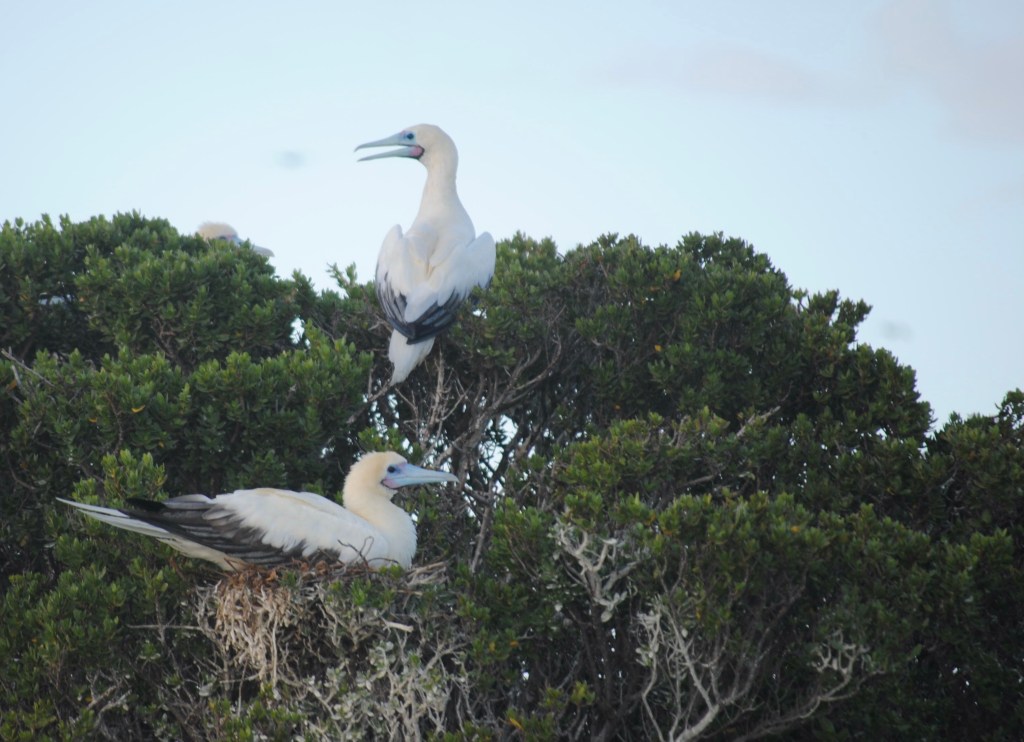
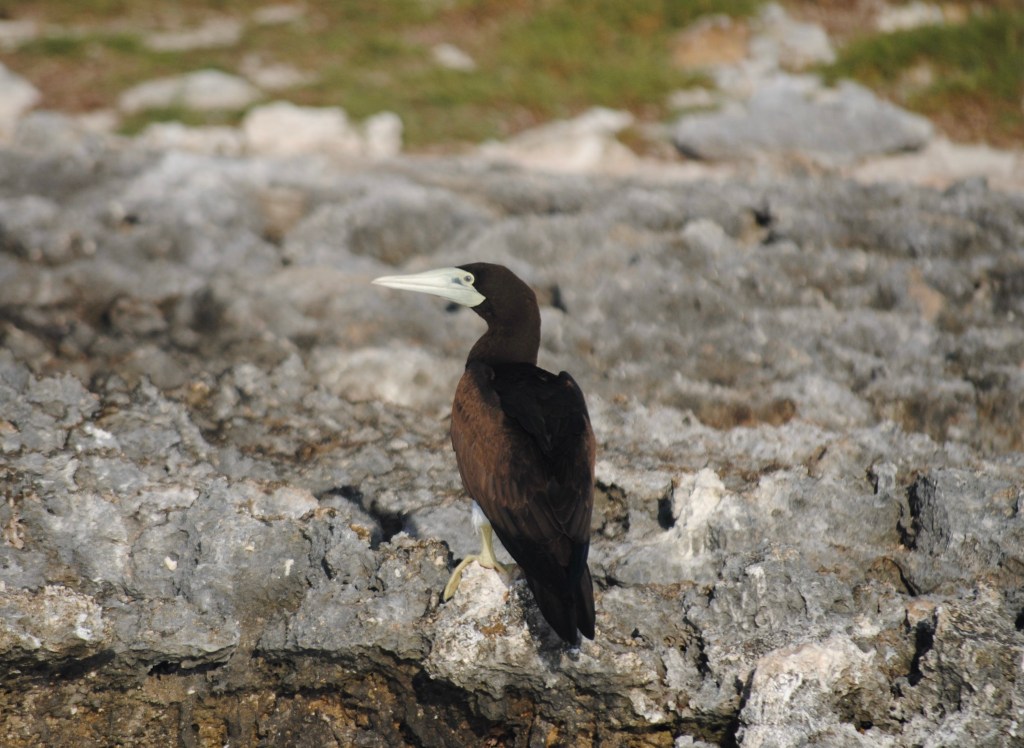
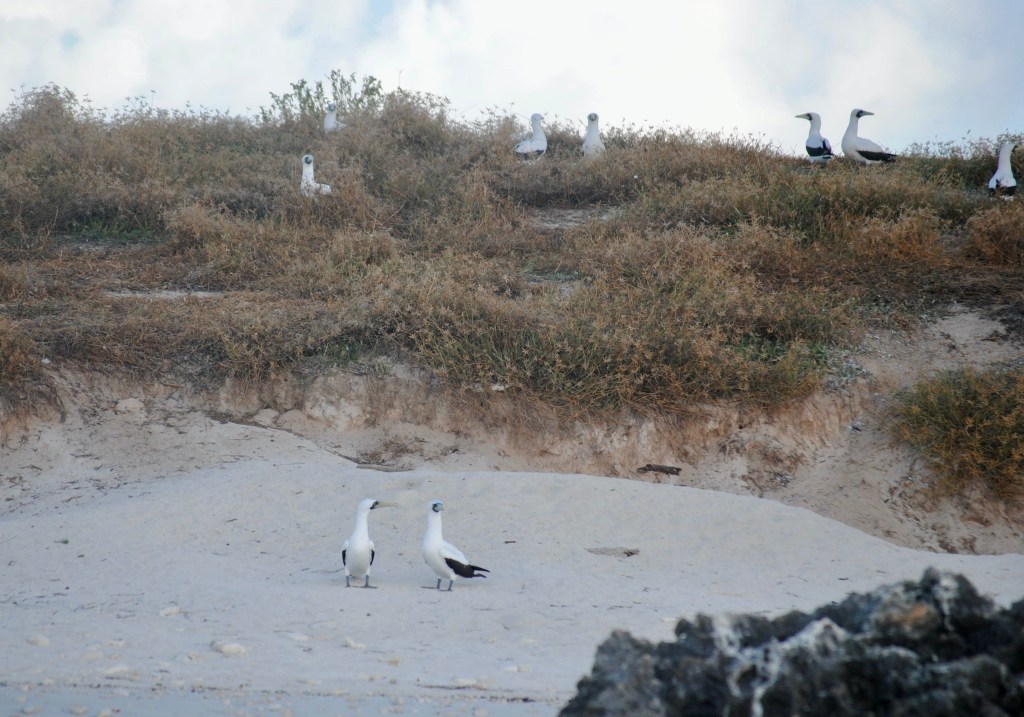
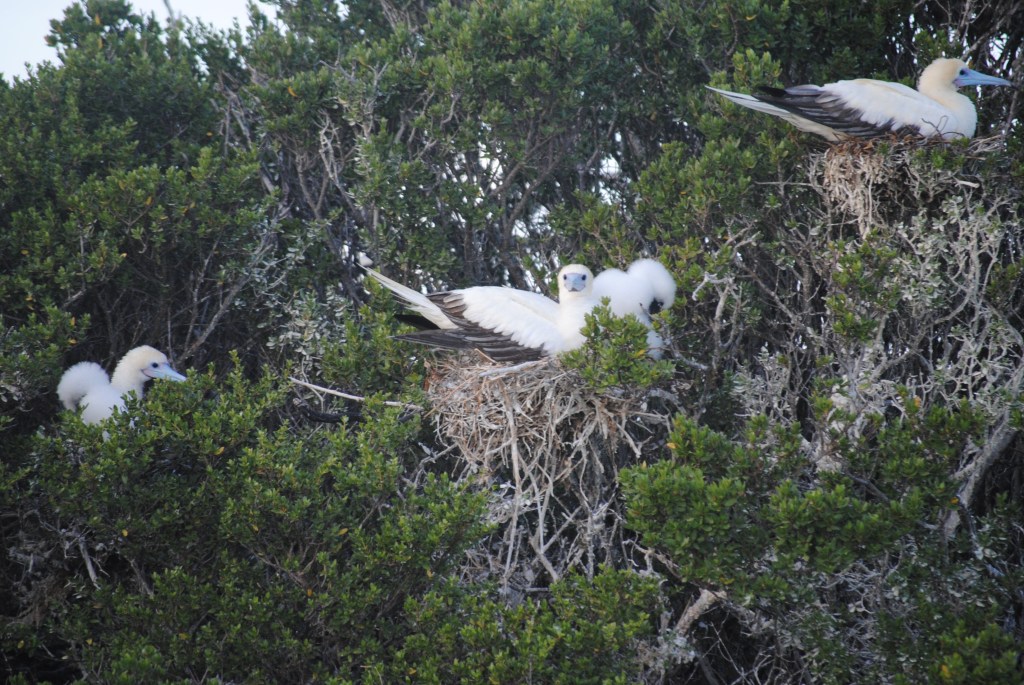
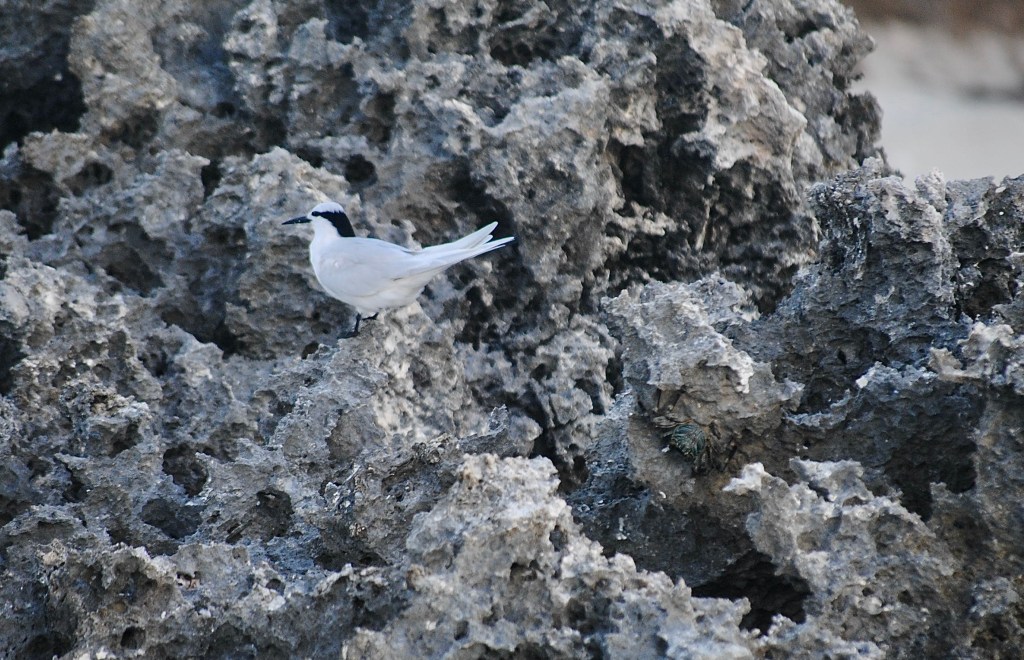
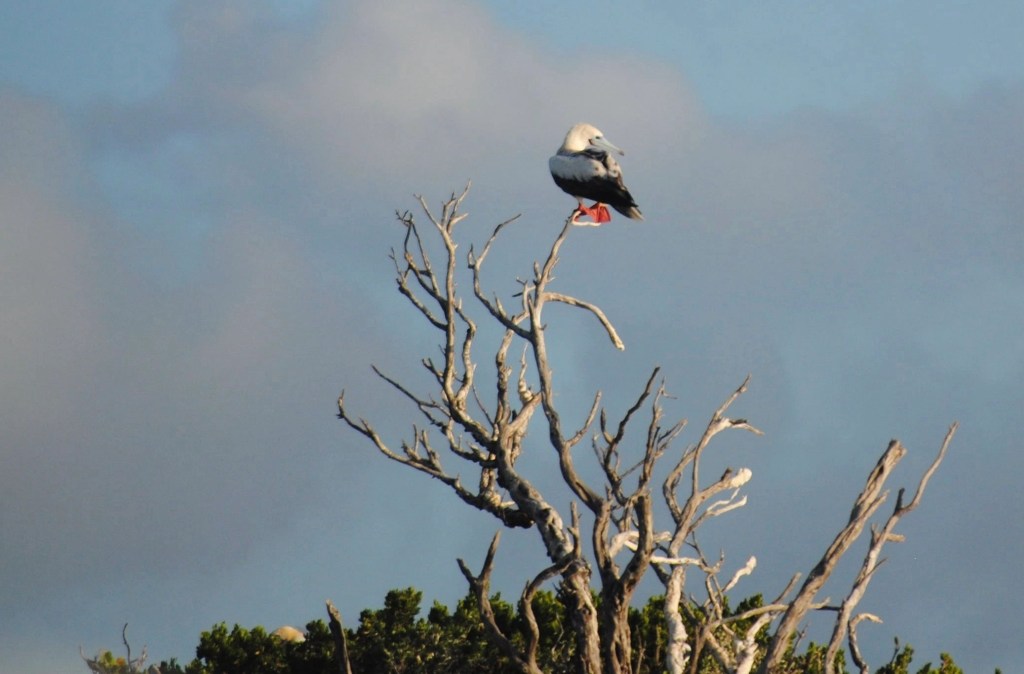
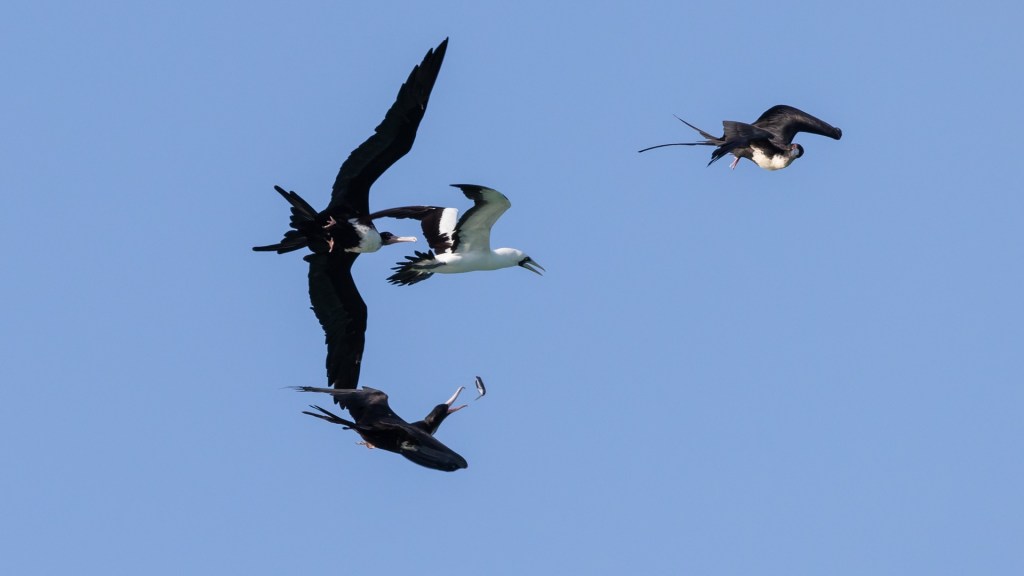
We saw cheeky frigate birds bating the poor boobies until they regurgitated the days catch, and then washing the food before eating it… can’t blame them. We saw thousands of red footed boobies nesting in the mangroves, together with masked boobies and my favourite brown boobies with their little white aprons. We also saw several species of terns and greater and lesser frigate birds. As we were just turning back, we saw an eagle ray jump out of the water which was quite a spectacle.
 EC-Rider Travels
Leave a comment